
Common Nesting Birds in Mt. Pleasant, SC
What nests here in the Lowcountry—and how you can help
Nesting season in the Lowcountry looks a little different than it does in much of the country. Along the coast, some birds begin nesting surprisingly early, and by spring our region is busy with everything from backyard songbirds to beach-nesting shorebirds and large colonial rookeries.
Here’s a quick guide to the main nesting “categories” you’re likely to see around Mt. Pleasant and the Charleston area, plus a few meaningful ways you can help each one succeed.
1) Backyard Cavity Nesters
The birds most likely to use nest boxes
If you’re hoping to host nesting birds in your yard, cavity nesters are the most realistic and rewarding place to start.
Common cavity nesters in Mt. Pleasant backyards include:
- Eastern Bluebirds
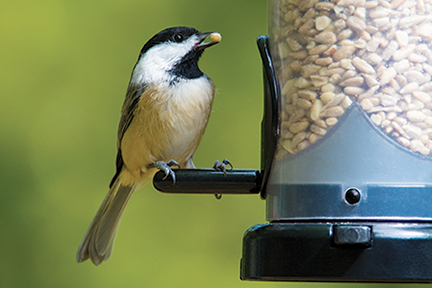
- Carolina Chickadees
- Tufted Titmice
- Carolina Wrens (they’ll use boxes, but also… almost anything)
Cavity nesters look for natural holes in trees—or safe, properly placed nest boxes. In the Lowcountry, competition is normal. If wrens or chickadees claim a box first, that doesn’t mean you’ve failed.
How to help cavity nesters:
Install a nest box early (late winter into spring is ideal in our area).
Use a pole-mounted setup with predator protection (a baffle is a game-changer).
If you want to support multiple species, consider putting up two boxes with different entrance sizes.
Offer consistent, high-quality food nearby (especially during cold snaps).
👉 Link: Nest Box Tips
👉 Link: Best Foods for Nesting Birds
2) Shrub & Tree Nesting Songbirds
Cardinals, doves, mockingbirds—and the birds that prefer “cover”
Many of the birds customers love most—like Northern Cardinals—do not use nest boxes. They build open-cup nests in shrubs, vines, and small trees. Cardinals typically raise 1–2 broods, and they usually don’t reuse the same nest.
Mourning Doves can be surprisingly prolific—often raising multiple broods (sometimes many) in a season—and they may reuse nests.
Northern Mockingbirds may raise 2–3 broods and are famously bold and territorial around the nest.
How to help shrub/tree nesters:
- Prioritize dense cover: native shrubs, vines, and evergreen structure are nesting gold.
- Avoid heavy pruning in peak nesting months (if you can, “shape” plants earlier).
- Keep cats indoors—ground predators are a major nesting threat.
- Skip pesticides during nesting season; parent birds rely heavily on insects and caterpillars for growing young.
- Add a simple water source (fresh, shallow birdbath).
3) Raptors in the Lowcountry
Ospreys, eagles, hawks, vultures
Raptor nesting is one of the coolest things to notice once you start paying attention—especially around waterways and marsh edges near Mt. Pleasant.
Bald Eagles (South Carolina timing):
In South Carolina, bald eagles generally return to nesting territories in fall, and egg-laying often occurs in December (with a broader range from November to March).
Ospreys:
Ospreys typically return to breeding areas in late March to mid-April and begin nest repair/building soon after—often using the same nest year after year.
Hawks (a backyard reality):
Red-shouldered hawks commonly nest in wooded areas near water and build substantial stick nests lined with softer material.
Vultures (surprising nest habits):
Turkey vultures don’t build full nests—they often lay eggs in sheltered spots with minimal “nest structure.”
Black vultures often nest in dark cavities or protected areas and lay eggs directly on the ground.
How to help raptors:
- Give active nests a wide berth—especially during nesting season.
- Avoid using rodenticides; poisoned rodents can harm hawks and owls indirectly.
- If you notice a raptor hunting near your feeders, consider pausing feeding briefly or adding more cover nearby so songbirds have quick escape routes.
4) Shorebird Nesting
The beach is a nursery (even when it looks empty)
One of the most important Lowcountry nesting stories happens right on the sand.
Species like Wilson’s Plover and American Oystercatcher often nest directly on open beaches—many times near inlets—meaning eggs and chicks can be nearly invisible to people walking by.
South Carolina manages several coastal bird sanctuaries and seasonal closures because disturbance can easily cause nest failure.
How to help shorebirds:
- Respect posted fencing/signs and give nesting areas lots of space.
- Keep dogs leashed and well away from posted nesting zones.
- Avoid flying drones, kites, or “letting kids run through the roped areas”—even brief disturbance can expose eggs/chicks to heat and predators.
- Walk closer to the waterline when possible to avoid nesting zones higher on the beach.
5) Colonial Nesters
Herons, egrets, and rookery life
Some birds nest in colonies—called rookeries—where many nests are packed into one area (often small islands, marsh hammocks, or protected coastal zones). Colonial nesting is efficient, but it also makes colonies especially vulnerable to disturbance.
In our region, nesting colonies may include herons, egrets, ibis, and other wading birds.
Locally, places like Cape Romain National Wildlife Refuge are extremely important for nesting seabirds and shorebirds in South Carolina.
How to help colonial nesters:
- Never approach rookery islands by boat during nesting season.
- If you see a colony flushing (birds lifting off in alarm), you’re too close.
- Respect sanctuary closures and buffer zones (they exist because colonies are sensitive to disruption).
A simple “how you can help” checklist for nesting season
If you want the biggest impact with the least effort:
- Keep feeders clean and offer a reliable food source through spring
- Provide fresh water
- Skip pesticides (especially insect sprays)
- Add native plants for cover and insects
- Keep cats indoors
- Respect beach nesting areas and coastal sanctuaries